News & Articles KRI calls for housing finance overhaul as long loan tenures push up household debt risk
KRI calls for housing finance overhaul as long loan tenures push up household debt risk
8 Jun 2026
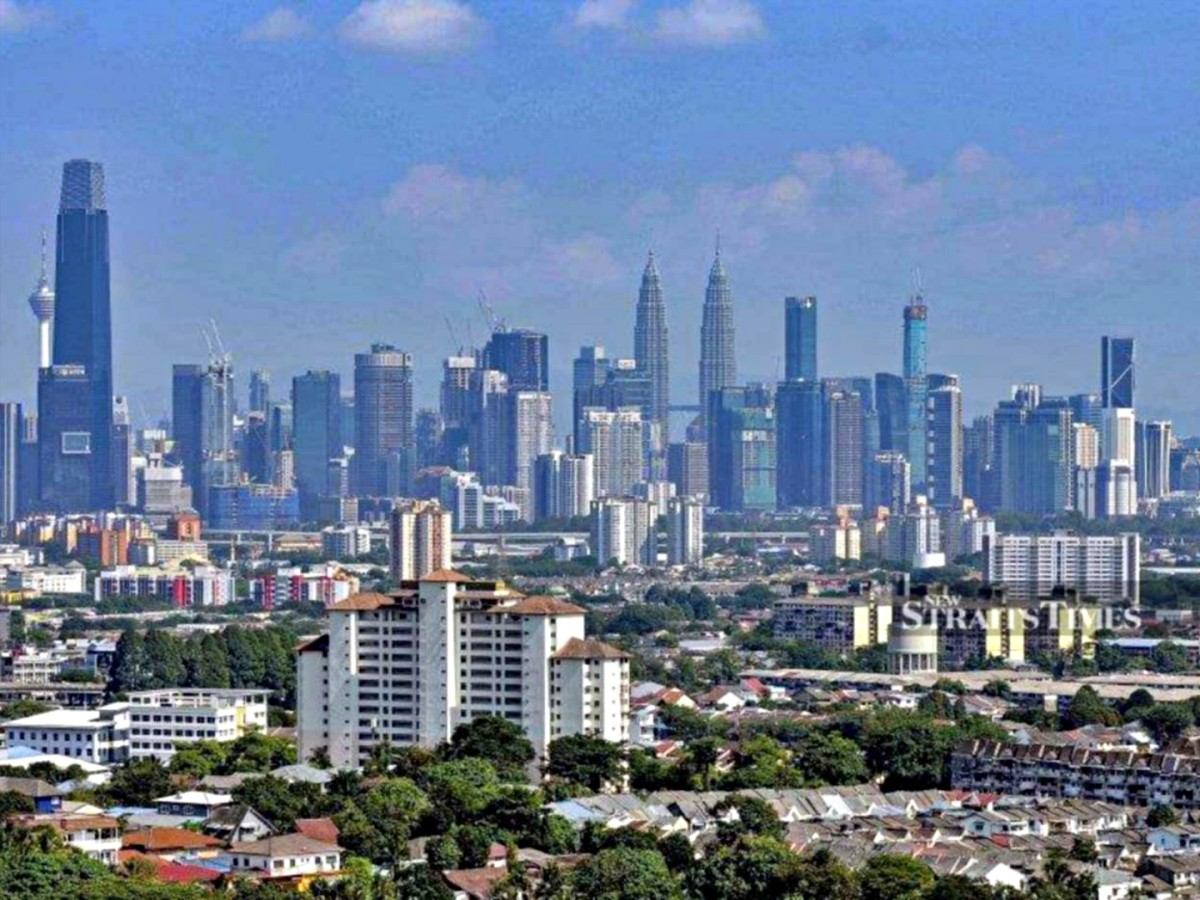
KUALA LUMPUR: Malaysia's housing finance structure needs a comprehensive reform to ensure homeownership remains sustainable and does not continue to burden households.
This follows a growing market trend of extending loan repayment periods, which is alleged to obscure buyers' actual financial capabilities.
Khazanah Research Institute (KRI) Research Director, Dr. Suraya Ismail, said that based on their studies, prolonged housing loan periods of 30 to 45 years make high-priced homes appear more affordable due to lower monthly installments. However, at the same time, this significantly increases the total overall payment.
-Advertisement-
With longer loan tenures, expensive houses look cheaper in terms of monthly instalments. In reality, however, the total amount paid can end up being up to three times higher," she said.
She said this when met after the forum session 'Affordable Housing & Residential Market: Demand and Supply' at the Malaysia Build & Property Summit 2026 (MBPS 2026) recently.
Dr Suraya noted that this situation also impacts housing market dynamics, as the growth of the House Price Index (HPI) was found to be faster than the Consumer Price Index (CPI), reflecting increasing pressure within the housing finance system.
"KRI has previously advised the government against introducing intergenerational loan schemes of up to 60 years due to concerns that it would increase household debt levels in the long run.
"If developers continue to build houses at high prices, it could create a new norm in the housing market that sees an increase in household debt burdens through long-term loans. We do not want the nation to become more economically advanced while its citizens are burdened with high debt," she said.
She added that the solution to housing affordability cannot solely rely on extending loan periods; instead, it requires increasing the supply of homes that genuinely align with the median household income.
Meanwhile, she also voiced concerns regarding the current definition of affordable housing, which does not reflect the true reality of the market. This includes units priced around RM300,000 with a floor area of approximately 380 square feet, which she described as too small to be considered genuinely affordable.
"But to bypass the affordable housing quota, this is exactly what the supply side is doing. The 'affordable' label should not be misused. Houses that are too small but highly priced are not the solution to affordability issues," she said.
At the same time, she said that the People's Housing Programme (PPR) remains crucial as part of the social protection framework for low-income groups, while affordable housing for middle-income groups must continue to be strengthened through a balanced cooperation between the public and private sectors.
KRI simultaneously stressed the need for a more comprehensive approach to ensure that national housing policies do not just focus on financing access, but also take into account household debt sustainability and the quality of long-term homeownership.
This follows a growing market trend of extending loan repayment periods, which is alleged to obscure buyers' actual financial capabilities.
Khazanah Research Institute (KRI) Research Director, Dr. Suraya Ismail, said that based on their studies, prolonged housing loan periods of 30 to 45 years make high-priced homes appear more affordable due to lower monthly installments. However, at the same time, this significantly increases the total overall payment.
-Advertisement-
With longer loan tenures, expensive houses look cheaper in terms of monthly instalments. In reality, however, the total amount paid can end up being up to three times higher," she said.
She said this when met after the forum session 'Affordable Housing & Residential Market: Demand and Supply' at the Malaysia Build & Property Summit 2026 (MBPS 2026) recently.
Dr Suraya noted that this situation also impacts housing market dynamics, as the growth of the House Price Index (HPI) was found to be faster than the Consumer Price Index (CPI), reflecting increasing pressure within the housing finance system.
"KRI has previously advised the government against introducing intergenerational loan schemes of up to 60 years due to concerns that it would increase household debt levels in the long run.
"If developers continue to build houses at high prices, it could create a new norm in the housing market that sees an increase in household debt burdens through long-term loans. We do not want the nation to become more economically advanced while its citizens are burdened with high debt," she said.
She added that the solution to housing affordability cannot solely rely on extending loan periods; instead, it requires increasing the supply of homes that genuinely align with the median household income.
Meanwhile, she also voiced concerns regarding the current definition of affordable housing, which does not reflect the true reality of the market. This includes units priced around RM300,000 with a floor area of approximately 380 square feet, which she described as too small to be considered genuinely affordable.
"But to bypass the affordable housing quota, this is exactly what the supply side is doing. The 'affordable' label should not be misused. Houses that are too small but highly priced are not the solution to affordability issues," she said.
At the same time, she said that the People's Housing Programme (PPR) remains crucial as part of the social protection framework for low-income groups, while affordable housing for middle-income groups must continue to be strengthened through a balanced cooperation between the public and private sectors.
KRI simultaneously stressed the need for a more comprehensive approach to ensure that national housing policies do not just focus on financing access, but also take into account household debt sustainability and the quality of long-term homeownership.
Source: NST.com.my
Latest Posts
-
Kajang Neighbourhood Spotlight: Auction Properties in Selangor's MRT Terminus Town
-
Jelajah Harta Tanah Malaysia 2026 Attracts 819 bidders for Property and Car Public Auction Sales
-
Shah Alam Neighbourhood Spotlight: Why Auction Properties Here Are Worth a Second Look in 2026
-
Understanding the Proclamation of Sale (POS): What is a POS?
-
Jelajah Harta Tanah Malaysia 2026 Returns with Over 1,200 Property, Auto & Art Auction Opportunities